

Friday, February 25, 2011


Project 365 - #26 - February 19, 2011
This is Kara, our year old puppy. This was her first DEEP snow to experience. Boy, she did not want to be inside at all, even though it was FREEZING!


Project 365 - #23 - February 16, 2011
This is a piece of art in my home. It's a puzzle that is framed. It has hidden wolves in it.


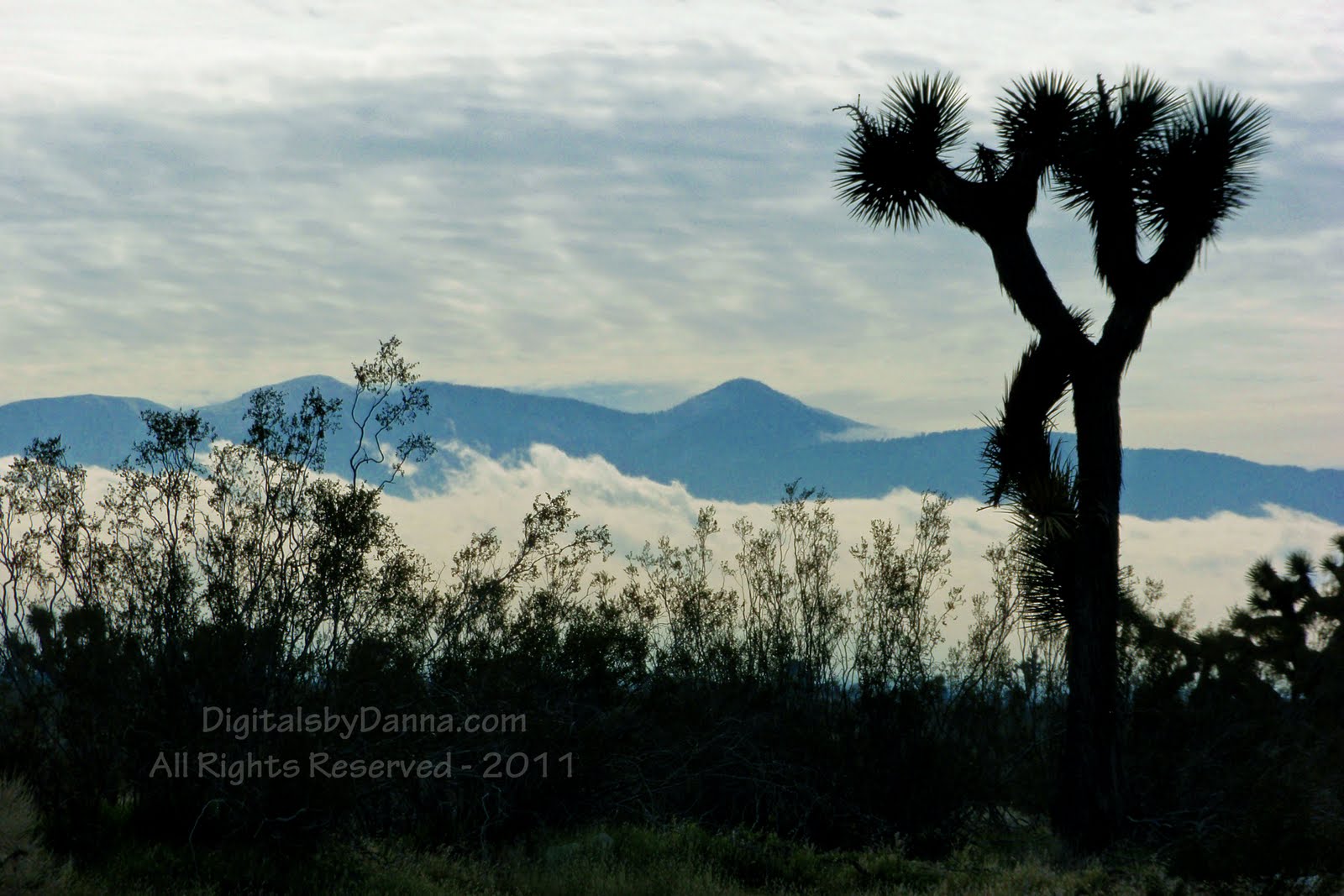
Project 365 - #22 - February 15, 2011
Taken from Phelan Road, Phelan, CA - Wrightwood are the mountains in the background.

Tuesday, February 22, 2011
Thursday, February 17, 2011
Alpha and Omega: The Real Story
Alpha and Omega: The Real Story - Click link for full story

Steve Moore, a former journalist who is now a successfulsyndicated cartoonist, created the charming concept and story for the recent animated feature film Alpha and Omega. Alpha and Omega features the tale of two young wolves who are relocated from Canada to Idaho to help repopulate a wilderness area bereft of wolves. It’s no coincidence that this story parallels the real reintroduction of wolves into the United States back in 1995 – the start of one of the biggest wildlife success stories in America’s history. That real-life relocation gave Moore the idea that ultimately became Alpha and Omega, he told Defenders in an interview from Boise, Idaho, this week:

Steve Moore and his son Chris at Red Fish Lake in Idaho
How did you come up with the idea that became Alpha and Omega?
“A few years after my family and I moved to Idaho from Los Angeles, I read a newspaper article commemorating the 10thanniversary of the wolf program. There was a story about one of the first wolves in the program, Wolf B1 or Wolf B2, one of those. The story was showing the tracking of the wolf’s radio collar, showing where the wolf went when it was first dropped off in Idaho. It kept heading north, then turning around and coming back, heading north and turning around again, over and over.
“It kind of got my imagination going – maybe he was trying to get back to Canada! So I just imagined what would have happened if the biologists had tried to trap a mated pair, and they messed up and got two wolves that hated each other instead. Alpha and Omega is like the flip side of that old movie The African Queen: instead of two humans who hate each other trying to get through the wilderness back to civilization, this was two wolves who hated each other trying to get through civilization and back to the wilderness.
Wednesday, February 16, 2011
10 Uses for Wood Ashes | Fireplace | This Old House - 1
10 Uses for Wood Ashes | Fireplace | This Old House - 1
 | A cord of firewood can produce 50 pounds of ashes—a formidable heap of soot but also a great source for mineral-rich dust that has practical uses. Just be careful to store them in a fireproof container with the lid shut to choke any embers. Unlike ashes, you can't use flames any place except in the fireplace. Use wood ashes to: 1. De-skunk pets. A handful rubbed on Fido's coat neutralizes the lingering odor. 2. Hide stains on paving. This Old House technical editor Mark Powers absorbs wet paint spatters on cement by sprinkling ash directly on the spot; it blends in with a scuff of his boot, 3. Enrich compost. Before the organic compound get applied to soil, enhance its nutrients by sprinkling in a few ashes, says the host of radio's You Bet Your Garden, Mike McGrath. Adding too much, though, ruins the mix. 4. Block garden pests. Spread evenly around garden beds, ash repels slugs and snails. 5. Melt ice. TOH building editor Tom Baker finds it adds traction and de-ices without hurting soil or concrete underneath. 6. Control pond algae. One tablespoon per 1,000 gallons adds enough potassiumm to strengthen other aquatic plants that compete with algae, slowing its growth, 7. Pump up tomatoes. For the calcium-loving plants, McGrath places 1/4 cup right in the hole when planting, 8. Clean glass fireplace doors. A damp sponge dipped in the dust scrubs away sooty residue. 9. Make soap. Soaking ashes in water makes lye, which can be mixed with animal fat and then boiled to produce soap. Salt makes it harden as it cools. 10. Shine silver. A paste of ash and water makes a dandy nontoxic metal polisher |
Subscribe to:
Posts (Atom)